At some point, balance got a bad name.
When you can’t make a decision, you settle for balance. When you’re afraid of extremes, you choose balance. Beige is the color of balance. Safe. Expected. The food version of playing it safe.
That’s how it’s usually put.
Excitement is always at the edges of food culture. Keto promises to change you. Detoxes promise a fresh start. Extreme plans use dramatic language, strict rules, and before-and-after stories that make moderation seem boring.
But that story leaves out something important.
It’s not boring to be balanced. It’s just harder to sell balance.
Why do people pay attention to extremes?
Extremes are noisy. They come with a clear message. They tell you exactly what to do and what not to touch. They give you a sense of who you are, being a part of something, a feeling of certainty in a world that doesn’t always feel certain.
That sounds good.
Balance does not have any slogans. It doesn’t draw hard lines. It asks questions instead of telling people what to do.
What works now. What makes you feel good? What helps you without taking away your peace?
That kind of thought doesn’t fit well into a headline.
So balance is seen as not being sure. Because of a lack of discipline. As a last resort, after everything else has failed.
Balance takes a lot more skill than extremes ever will.
People don’t understand moderation.
People often think that moderation is just a way to hide restriction. People picture small servings, bland flavors, and always holding back.
That is not moderation. That is deprivation dressed up as politeness.
Balance is constantly changing. It changes. It reacts. It lets things change without falling apart.
Balance says yes to taste and no to being stiff. It encourages creativity because it doesn’t require purity.
You can really play with your food if you’re not trying to prove anything with it.
The creative side of balance
People often think that balanced cooking stops you from being creative, but this isn’t true. That food gets vague or boring when there aren’t strict rules.
Most of the time, the opposite is true.
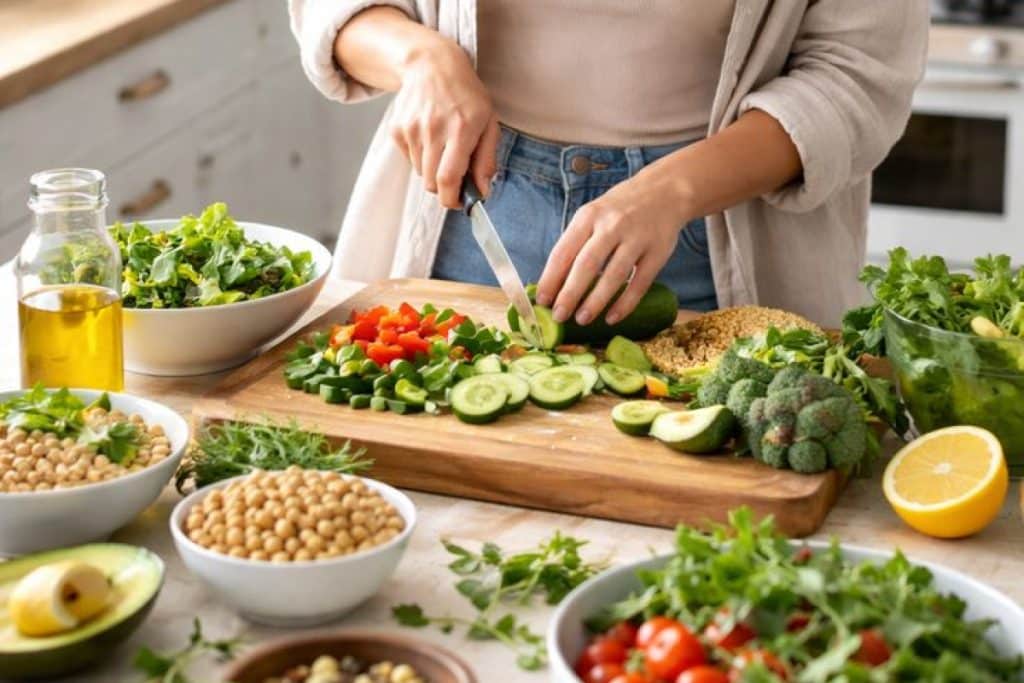
You have more room to explore when you aren’t stuck in a strict framework. You can use other people’s methods. Add flavors in layers. Change the textures. Try things out without worrying about breaking the system.
One of the book’s quiet strengths is The Balanced Plate: Healthy Recipes With Keto Alternatives by Chef Monika Jensen.
The book doesn’t go to extremes. It makes room.
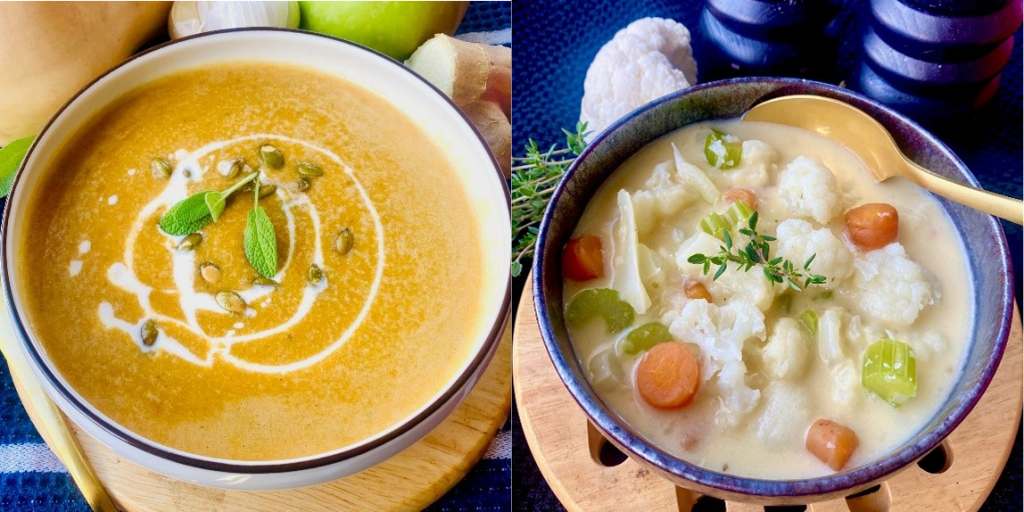
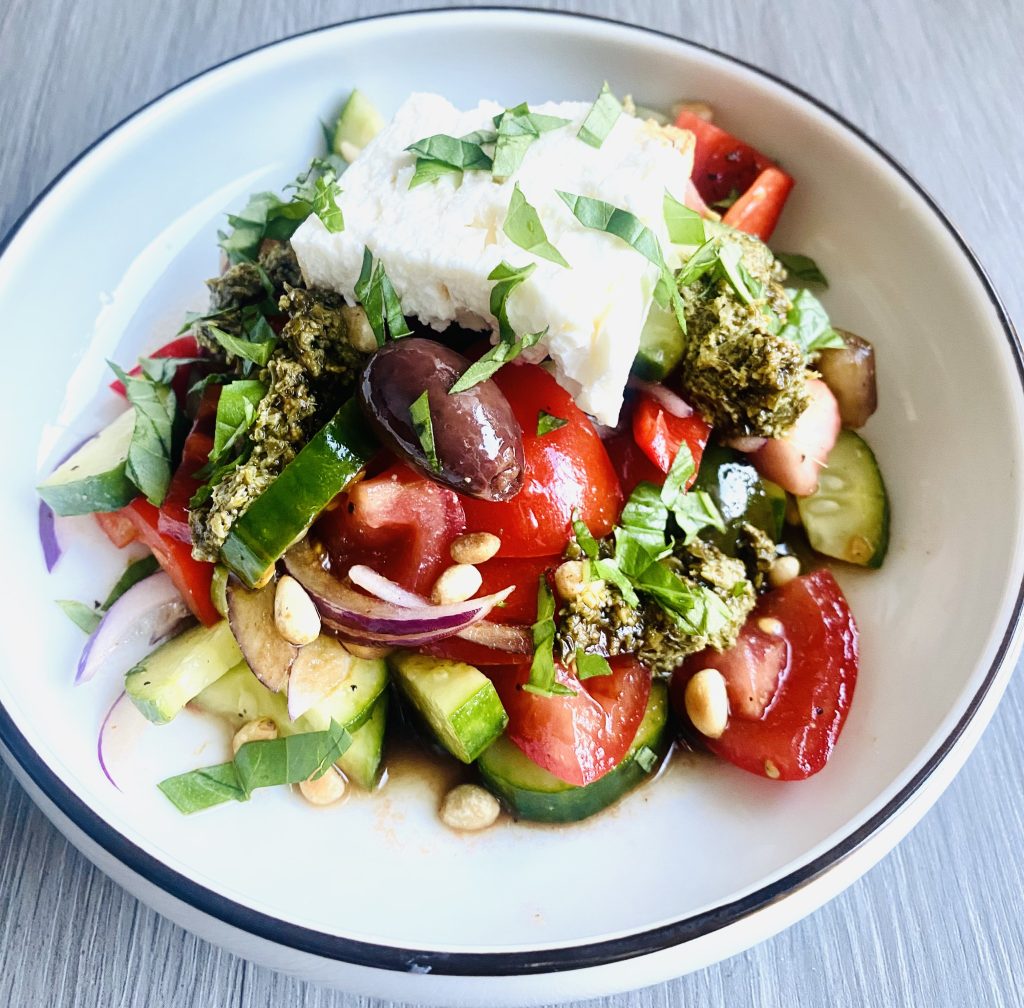
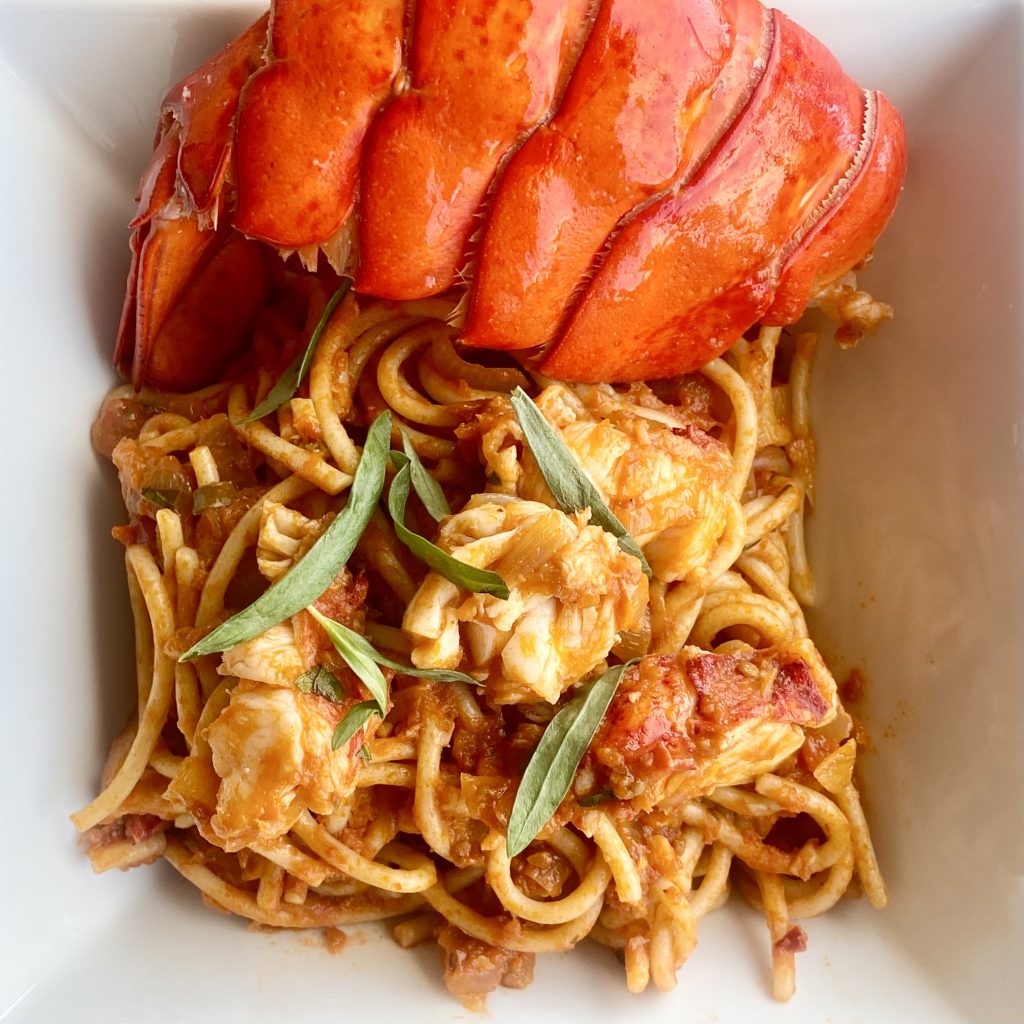
Recipes are first written as whole meals, based on taste and structure. Keto options look like optional notes, not rules. That means that following the rules doesn’t mean giving up your creativity.
A dish can be rich without being dangerous. Not too heavy, but still comforting. Flexible without losing its core.
Creativity thrives in that balance.
Why does it seem more complicated to balance
Extremes take away responsibility. Stick to the rules. Have faith in the system. Don’t think too much.
Balance wants you to pay attention.
You need to pay attention to how you feel and how food gets there. How needs change. You have to put up with not knowing.
People often mistake that discomfort for boredom. In reality, it is involvement.
Cooking in a balanced way keeps you in the moment. Instead of giving you a script, it invites you into the process.
This is why people often find balance later, after they have had enough of extremes. It takes emotional growth.
Balance in real kitchens
In real kitchens, balance is anything but boring.
It looks like changing a recipe because someone had a long day. Or adding depth because the meal needs it. Or making things easier because energy is low.
Balance is cooking that reacts instead of forcing.
The Balanced Plate shows this truth. It is meant to be repeated, not to be a show. Because they can change, meals feel alive.
People often say that recipes become a regular part of their lives. Not because they look good, but because they work. They allow for gut feelings.
That gut feeling is creative. It gets bigger over time.
The freedom not pick sides.
Balance also helps you avoid food tribalism.
You don’t have to pick between keto and carbs. Between giving in and holding back. Between health and tradition.
You can take what you like and leave the rest.
That freedom makes it easier to be creative. You are no longer cooking to defend a belief. You are cooking to feed.
This is why balanced cooking often seems more generous. It doesn’t have to be tight to work.
Moderation as trust
People often think of moderation as being unsure. In real life, it’s confidence.
It means having faith in yourself to make choices without relying on a system to do it for you. It is knowing that you can change without going crazy.
That confidence makes food taste different. Food gets lighter. Choices don’t feel as heavy.
The Balanced Plate quietly helps build this confidence. By speaking calmly. By giving people choices instead of rules. By respecting the reader’s intelligence.
That respect gives me energy.
Why “boring” is the wrong word
Boring means not being interested. Not enough stimulation. Not enough depth.
Balanced cooking takes a lot. It just doesn’t yell.
It is based on knowing how flavors work together, how bodies react, and how meals work in the real world.
It’s not apparent. It changes. It pays off to pay attention.
That’s not boring. That is art.
Creativity that isn’t chaotic
One reason people are afraid to let go of extremes is that they think it will lead to chaos. That everything will fall apart without strict rules.
Balance gives structure without being too strict. It gives you a flexible framework.
The meal itself is the framework in The Balanced Plate. The flavor is what holds the dish together. There are optional changes that go around it.
This keeps creativity in check. You can try things out without losing your mind.
Why balance stays
It’s easy to see why balance lasts. It fits into life.
Extreme methods shine brightly for a short time. Balance hums softly in the background.
It can handle stress. It can change. There is no need to restart.
This is why people who have found balance don’t want to go back.
Getting back to balance when you’re bored
Balance should have a better name.
This is not a consolation prize. It’s not because they don’t want to succeed. It’s not what you do when you stop trying.
When you realize that health isn’t a performance, it’s what you choose.
The Balanced Plate is a good example of this idea. It serves food that is well thought out, flexible, and full of personality.
If you’ve ever been told that moderation is boring, this book proves them wrong.
Creativity lives in balance. It is where food can last. It is a place where happiness and care live together.
You can now buy Chef Monika Jensen’s book, The Balanced Plate: Healthy Recipes with Keto Alternatives, on Amazon. For readers who are ready to stop chasing extremes and start cooking with confidence, this is a reminder that balance is not dull. It’s where real life and authentic flavor happen.