There is a time in many kitchens that cookbooks don’t talk about. Someone wants to know what’s for dinner. Someone else is unsure. Not because cooking is hard, but because the answer is hard to find.
One person is keeping an eye on carbs. One is not. Someone has a health reason. Someone wants to feel better. Kids’ thoughts change every day. Dinner now feels like a deal instead of a meal.
Most cookbooks don’t think this is a problem. Or that stricter rules will fix it. Choose a diet. Everyone does it. Problem solved.
But that doesn’t happen very often.
The truth about real dinner tables
Real families are not all the same. Needs clash. Preferences are not always the same. People who don’t eat the same way share food, and they often shouldn’t.
One meal, one diet is a good idea. In real life, it causes problems. Someone feels like they don’t have enough. Someone feels like they’re being picked on. Someone stops enjoying meals altogether.
Parents always feel this stress. They want to help with health needs without making food a source of stress. They don’t want kids to feel like they are being managed. They want dinner to feel like it always does.
So they change quietly. A lot of the time, they go unnoticed.
They make different kinds of food. They change the ingredients. They make changes that no one likes. This is care, even if people don’t always call it that.
Flexibility doesn’t mean not making a decision. It is compassion.
People often see being flexible with food as a sign of weakness, either because they lack discipline or because they’re too soft.
In real kitchens, flexibility is the other way around. It takes work. It is a focus. It’s empathy in action.
When you cook for people with different needs, you have to think about how they will react. It means making space without making a fuss. It means changing things without keeping track of what you change.
This is where The Balanced Plate really shines.
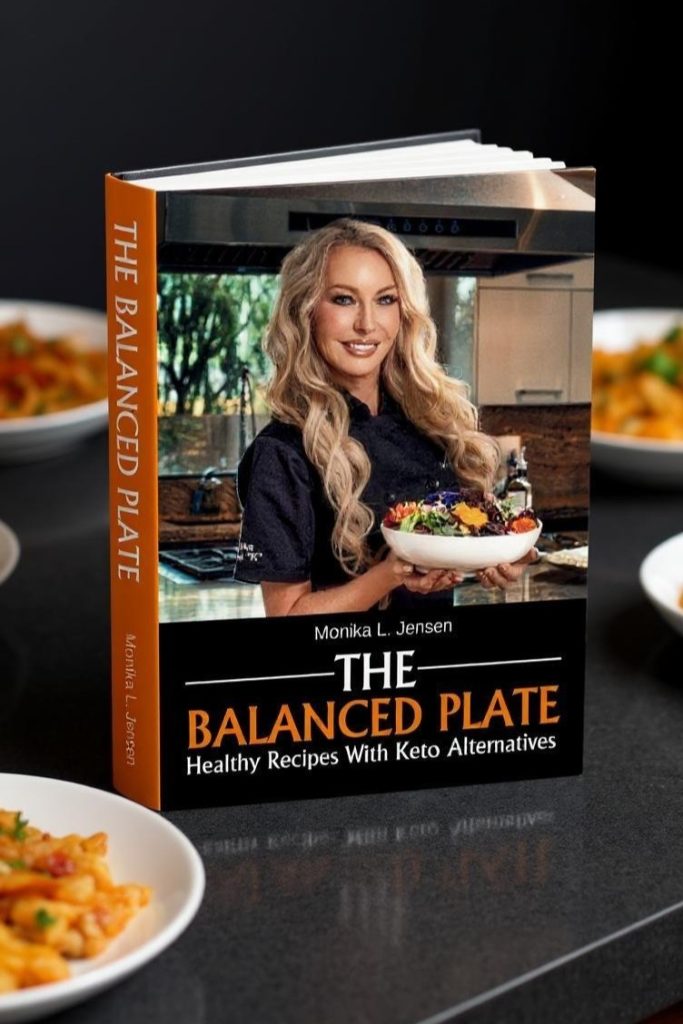
There isn’t just one diet that Chef Monika Jensen used to write the book. She made it around the food. Recipes are written to work as they are, with keto alternatives available but not required.
This design choice does something small but significant. It lets one meal meet many needs without making those differences clear. No one has to explain their plate. No one should feel like an outsider.
Dinner stays the same.
The emotional work of feeding people
Cooking is not neutral. It carries emotional weight, mainly when needs differ.
The person who does most of the cooking often has to translate between bodies, tastes, and expectations. They take it in anger. They make disappointment go away. They take care of both logistics and feelings at the same time.
Most food media don’t talk about this work. It is all about the results, not the process. It thinks that cooking is about doing things, not about relationships.
The Balanced Plate gets this without having to think about it. The tone is calm. The directions are easy to understand. There is no need to prove or optimize.
People who read this often say that it changes how they feel about cooking. How to make dinner less stressful. How conversations get easier when everyone feels like they belong.
That change has nothing to do with the ingredients. It’s all about design.
One meal, many ways to get there
The smart thing about Jensen’s method is that it isn’t hard. It is self-control.
There are no copies of recipes in different versions. They are allowed to change. You can cook a dish the traditional way or change it up a little. Both are true. Both of them belong.
This makes it easier to cook once instead of three times. It makes it easier for us to sit together. It helps to link meals to relationships rather than to rules.
Global flavors are also important here. Layered spices and sauces mean that satisfaction doesn’t depend on just one thing. The dish doesn’t fall apart when you change it.
People who read this say it sets them free. As useful. As something they didn’t know they needed until they had it.
Care looks like choice.
One meal should not mean one diet because people are not the same. Everyone has different needs. Bodies are different in other moments.
Care does not mean making things the same. It is making room.
The Balanced Plate shows how to care without making it a talking point. It just gives you recipes that can bend but not break.
That matters if you’re cooking for people you care about.
This book offers a different way if dinner has become a source of stress instead of a connection. Not louder. Not more strict. More human.
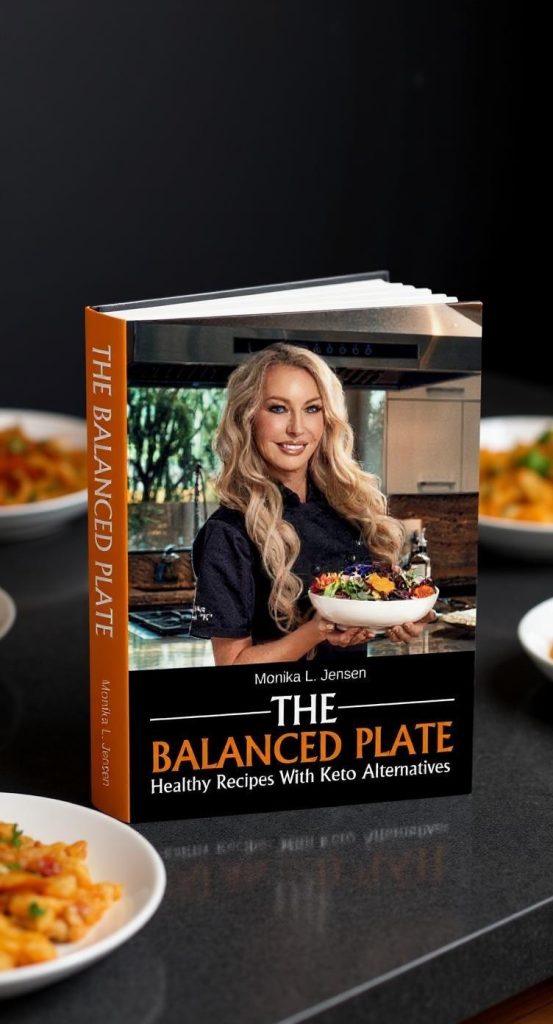
The Balanced Plate: Healthy Recipes With Keto Alternatives by Chef Monika Jensen is now available on Amazon. It reminds people who have to deal with real dinner tables and real people that being flexible doesn’t mean giving up. That’s how care shows up on the plate.