

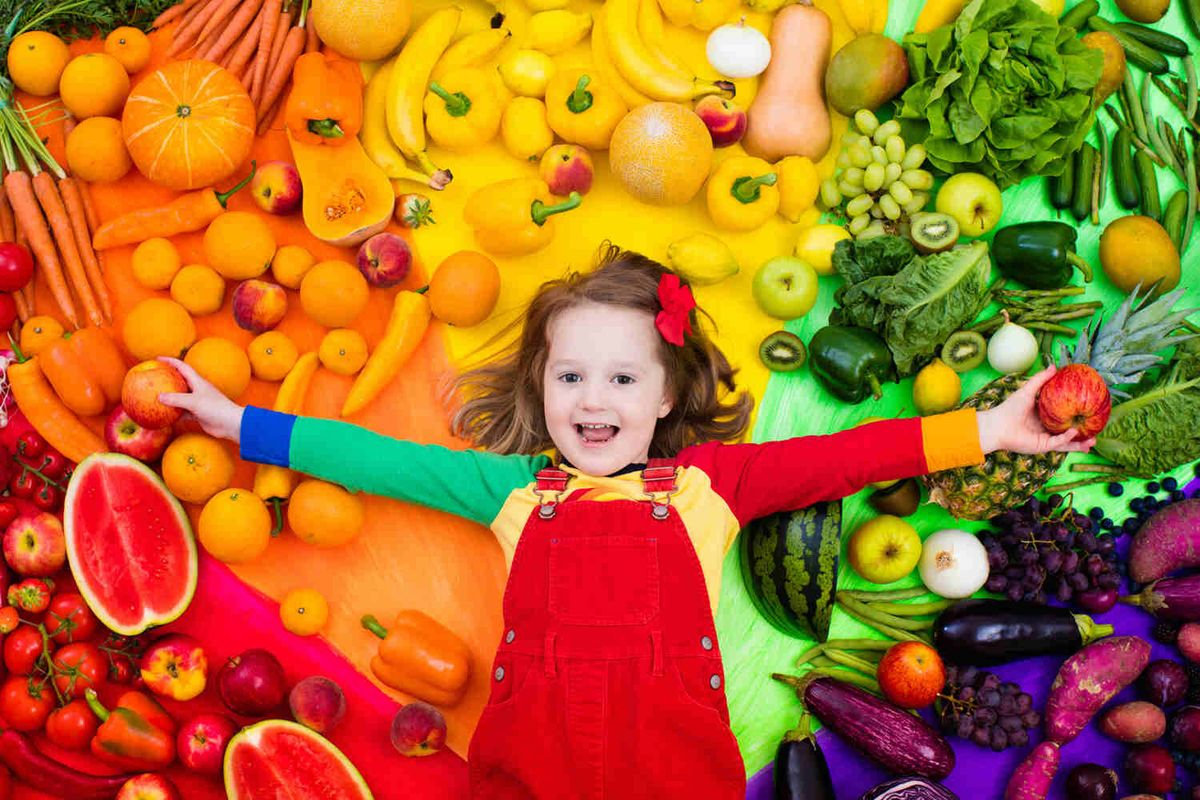
Don’t look online for an honest food critic. Make food for a kid.
Food trends don’t matter to kids. They don’t care about labels. They don’t care if something is supposed to be good for you. They care about how it tastes, how it feels, and whether it makes sense to them right now. They’ll let you know right away if something isn’t right.
When you cook for kids, you have to make food simple. It takes away performance. It gets rid of ideas. What remains is equilibrium, or its absence.
Kids eat without pretending.
One of the most interesting things about cooking for kids is how little they act. They eat when they’re hungry. They stop when they are full. They notice if something tastes bad.
This honesty makes me uncomfortable because many cultures teach adults to ignore their own signals. A lot of people learn to eat by rules instead of by cues. Finish your food. Don’t do this. Get that.
Kids haven’t learned all of that yet. They eat in response to things. Not neat. True.
When adults try to force strict rules on honesty, things get tense quickly. Kids fight back. Anxiety starts to set in. Food turns into a war zone.
Balance, on the other hand, meets kids where they are.
Why kids need to be flexible
If you’ve ever tried to make kids stick to a strict eating plan, you know how quickly it falls apart. Growth spurts can change how hungry you are overnight. Preferences change without warning. Texture sensitivities come out of nowhere.
This reality does not allow for strict rules. It does.
When you cook for kids, you learn that food has to change to fit the person eating it, not the other way around. You might need to change a meal that worked yesterday. That is not a failure. It is responsive.
This lesson will have a greater effect on adults than most nutrition advice ever will.
Getting the feel of the room
You have to pay attention when you cook for kids. Not just what they eat, but how they act. How much energy do you have? Mood. Focus. Comfort.
These are the critical signals, and they change.
Chef Monika Jensen book, The Balanced Plate: Healthy Recipes With Keto Alternatives, shows this kind of care. The book doesn’t require consistency at the cost of context. It lets meals change without any problems.
First, recipes write out full meals. Keto alternatives show up as optional notes, not fixes. That design is like how kids really eat. One meal, changed quietly, without making differences into problems.
This is what makes the book so helpful for families. Kids can eat what they know. Adults can make changes as needed. Everyone stays at the table.
Balance is something you do, not something you say
Your food philosophy doesn’t matter to kids. They care about whether dinner goes well.
This makes adults practice balance rather than say it. You can’t make a child enjoy a meal by talking to them. You have to meet them where they are.
In this case, balance means giving structure without being too strict. Giving people choices without making them feel bad about them seems like giving people choices without making them feel bad about them. It looks like modeling listening instead of control.
These are not just ideas. They happen in little moments. Allowing a child to stop when they are full. Changing the seasoning and giving a side that feels safe.
These choices teach something important over time. That food meets needs. That it is okay for it to change, that eating is not a test.
Kids as mirrors
Kids show us how we feel about food. They can tell when we are worried. They take what we say about morals and make it their own. They relax when we stay calm.
Kids learn that being healthy isn’t about cutting back when they cook with balance. It’s all about being responsive.
The Balanced Plate backs this up by prioritizing comfort and flavor. Meals don’t feel like they are fixing things; they feel generous. It doesn’t seem like anyone is in charge of the food.
Parents often say this changes the mood at the table. Less talking. Less stress. More desire to try.
That willingness comes from trust.
The long view of balance
When you cook for kids, you remember that eating is a long game. A single meal does not define a person. One thing doesn’t make or break health.
Over time, balance shows up. In patterns. In relationships.
It’s easy to lose this point of view in adult food culture, which often focuses on quick results and significant changes. Kids bring you back to the real world.
They remind you that being perfect isn’t as crucial as being sustainable.
Moving on with the lesson
Kids teach us about balance, and that doesn’t change when they grow up. They affect how we cook for our partners, parents, and ourselves.
Flexibility turns into a skill. It becomes second nature to listen. The food loses its charge.
The Balanced Plate does a great job of showing this idea. It doesn’t talk down to readers or tell them what to do. It gives real people, even kids, a way to do things that work.
That’s why it speaks to more than just families. Anyone who has ever made food for someone else will understand why this is a good idea.
Letting kids help you get back to balance
Kids know how to cut through the noise. They remind us that eating shouldn’t be hard; it should feel good.
When you cook for kids, you learn that balance is not something you talk about. You practice it with each meal and each change.
Kids can help you see things differently if food has started to feel tense or overthought. One that is based on trust, honesty, and flexibility.
Chef Monika Jensen’s book, “The Balanced Plate: Healthy Recipes With Keto Alternatives,” is now available on Amazon. This book is a steady, caring guide back to what works for anyone learning to balance things at the table, whether it’s through kids or life itself.