

Seeing the word “optional” next to food brings a quiet sense of relief.
Not “allowed only if.”
Not “do this or else.”
Only if you want to.
That word means a lot to anyone who has followed strict diet rules. It means breathing space. Options. Independence. It means that food can help you, rather than telling you what to do.
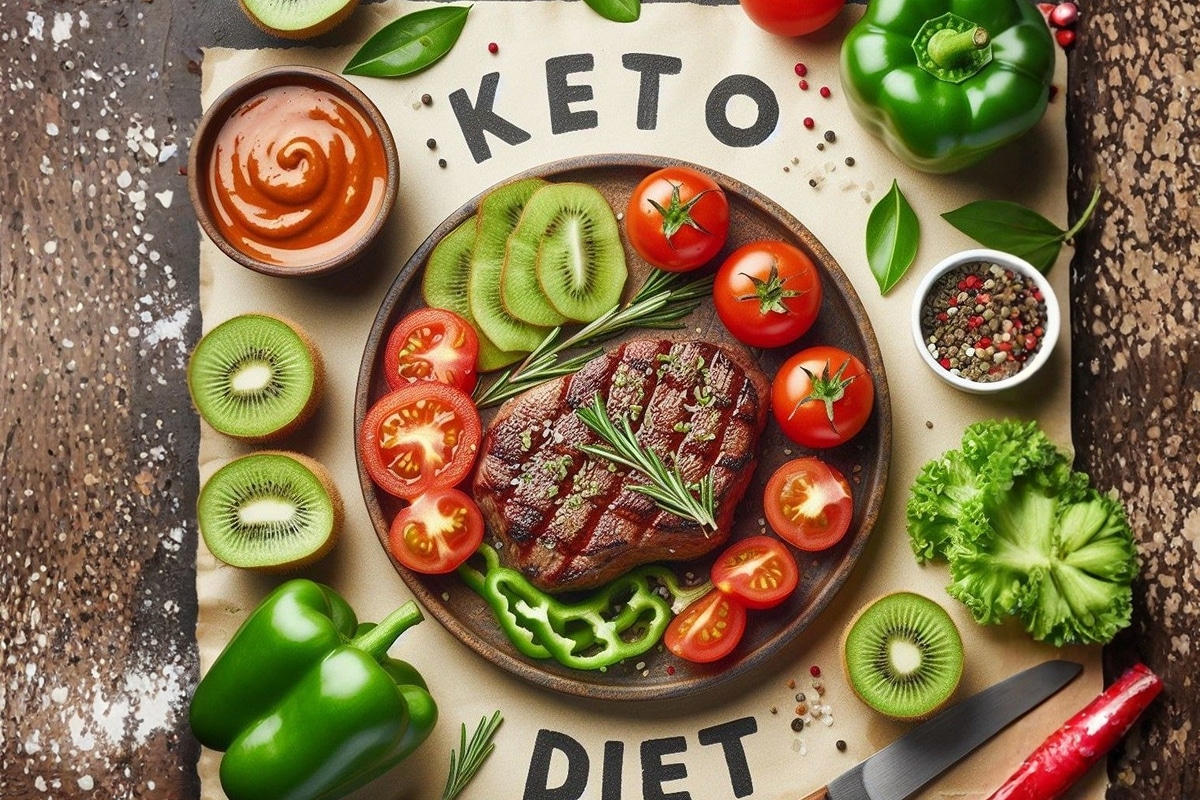
Chef Monika Jensen book, The Balanced Plate: Healthy Recipes With Keto Alternatives, does something that seems simple but is actually very powerful. It doesn’t make keto a requirement. It sees it as a tool. One that you can use when it helps and not use when it doesn’t.
That difference makes all the difference.
Why changes that are too rigid don’t last
Most people who have tried keto or any other strict diet know how it works. At first, the clarity is nice. Rules make it easier to make decisions. You know what you can eat and what you can’t. It works for a while.
Then life comes along.
Dinner with the family. A week full of stress. A doctor’s appointment. A child who won’t eat what you made. All of a sudden, the rules don’t seem like help anymore; they seem like a problem. One mistake feels like failure. Guilt starts to set in. The system breaks down.
People aren’t weak, so this isn’t the case. It’s because rigid systems break easily.
They think things will always be the same, but that’s not the case.
Changes that are optional work differently. They bend. They change. They let you deal with the situation rather than fight it.
Keto is a tool, not a way of life.
One of the best things about The Balanced Plate is how quietly it talks about keto. There is no preaching. No language that comes before or after. There’s no proof that keto is the best way for everyone.
Keto, on the other hand, is on the edges. As notes. As other options. As choices.
A recipe is complete on its own. Taste, structure, and satisfaction are all there without any changes. Then, if you need a version with fewer carbs, the book clearly and calmly shows you how to make the change.
This design sends a small but important message. You are not keto. You might want to use it.
That separation takes away stress right away.
You are no longer eating “as a keto person” or “failing keto.” You’re just picking a choice that works right now.
Autonomy changes how food tastes.
Autonomy is more than just a philosophical idea. It has a physical effect.
Stress levels rise when people feel like they have to make a choice. Making decisions becomes charged. Food has emotional weight.
That tension dissipates when people feel they have control. Food feels calmer. Changes feel neutral instead of heavy.
People who read The Balanced Plate often talk about this change without naming it. They say that cooking feels easier when they don’t constantly second-guess themselves, and dinner doesn’t feel like a test anymore.
That is what optionality can do.
Optional doesn’t mean careless
Some people think that optional approaches are messy or unstructured. That everything falls apart without clear rules.
In reality, optional systems often need people to be more aware, not less.
Paying attention is what it means to choose an option. It means paying attention to how your body reacts. It means making decisions based on the situation instead of what you usually do.
The Balanced Plate helps people become more aware by giving them information without forcing them to do anything. There are details about nutrition. There are explanations for keto substitutions. There is nothing hidden.
The reader stays in charge, which is the only difference.
Over time, this balance builds trust. People learn what works for them and when. They don’t let a system make decisions for them anymore.
Why optional changes help real families
Optional keto is very useful in homes where people share space.
Not everyone in many homes needs or wants the same thing. Eating fewer carbs may help one person. Another might not. Kids should not be following strict adult diet plans.
These differences become problems when systems are too strict. Optional systems take them in without making a sound.
One meal can meet many needs with The Balanced Plate. You can cook a dish the old-fashioned way and make small changes as needed. No news. No special tags. No separate meals.
That ease is not small. It keeps people from losing their dignity. It keeps meals together. It makes emotional work easier.
What is the difference between support and control?
Food systems that are driven by control depend on compliance. You have to follow the rules, or you won’t get anywhere.
Trust is essential for support-driven systems. You make smart decisions and change them as needed.
Optional keto definitely falls into the second group.
Chef Monika Jensen’s method presumes readers possess competence. Able to tell when a substitution is helpful. Able to eat bread without going crazy. Able to pay attention to what their bodies are saying.
This idea isn’t prevalent in wellness culture, which often sees readers as problems to be solved. The book feels calm instead of urgent because of that trust.
Why giving people options helps them avoid burnout
Caring too much about food culture doesn’t usually lead to burnout. It comes from having too many rules for too long.
Optional methods make it easier on the brain. They take away the need to do math all the time. They let you be flexible without making you feel bad about it.
People often make better choices when they stop being afraid of change. They pay more attention. They don’t go to extremes as usual.
People who have gone on strict diets and then stopped right away will probably get this right away. Optional keto seems likely to stick around because it doesn’t require loyalty.
Food that changes with you
The Balanced Plate has a quiet strength in how well it changes over time.
At first, a reader might use many keto alternatives. Not so much later. Or the other way around. When priorities change, the book doesn’t become useless.
This kind of flexibility is uncommon in diet-related cookbooks, which tend to be linked to a particular time or way of thinking.
Jensen wrote the book about meals rather than rules, which keeps it relevant.
Optional keto as a sign of emotional maturity
You have to be emotionally mature to choose optional keto. It means being okay with not knowing. It means having faith in yourself. It means not thinking in terms of two.
That’s not easy. But it lasts a long time.
Extremists feel safer because they make things clear. Optional approaches tell you to stay in the moment.
The Balanced Plate gently supports that presence. By doing it over and over. Using calm language. By always respecting choice.
Making food work for you
Optional keto changes the game. The diet should work for you, not the other way around.
You use what works. You throw away what doesn’t work. You change without feeling bad.
That change puts food back in its proper place. Not supervision, but support.
If keto has ever helped you but also made you tired, this book shows you how to keep the benefits without the work.
You can now buy “The Balanced Plate: Healthy Recipes With Keto Alternatives” by Chef Monika Jensen on Amazon. It reminds people that the most powerful changes are often the ones they can choose for themselves, not those set in stone.