Some meals stick with you long after the plate is empty for a reason. It’s not just the flavor. It’s how it feels. The comfort of knowing. The way a dish can make you feel safe, known, and stable, even when everything else is going wrong.
That’s what comfort food does. That is, it used to.
At some point, comfort food became questionable. Too much weight. Too much of a treat. Too emotional. Many people learned to avoid the foods that made them feel at home as they tried to eat healthier.
And yet, the pull never really goes away.
Why don’t we say it enough that comfort is essential?
Comfort food isn’t just about memories. It’s all about rules. About calming down the nervous system. About letting people know you’re okay, at least for the time it takes to eat.
This is especially true when you’re stressed, sick, sad, or going through a change. The body wants what is familiar. Warmth. Feel. Predictability.
When health culture sees comfort food as something to get over, it causes a quiet conflict. People have to choose between food and feeling safe. Between feeling good and doing good.
That choice isn’t fair.
Redefining comfort without getting rid of it
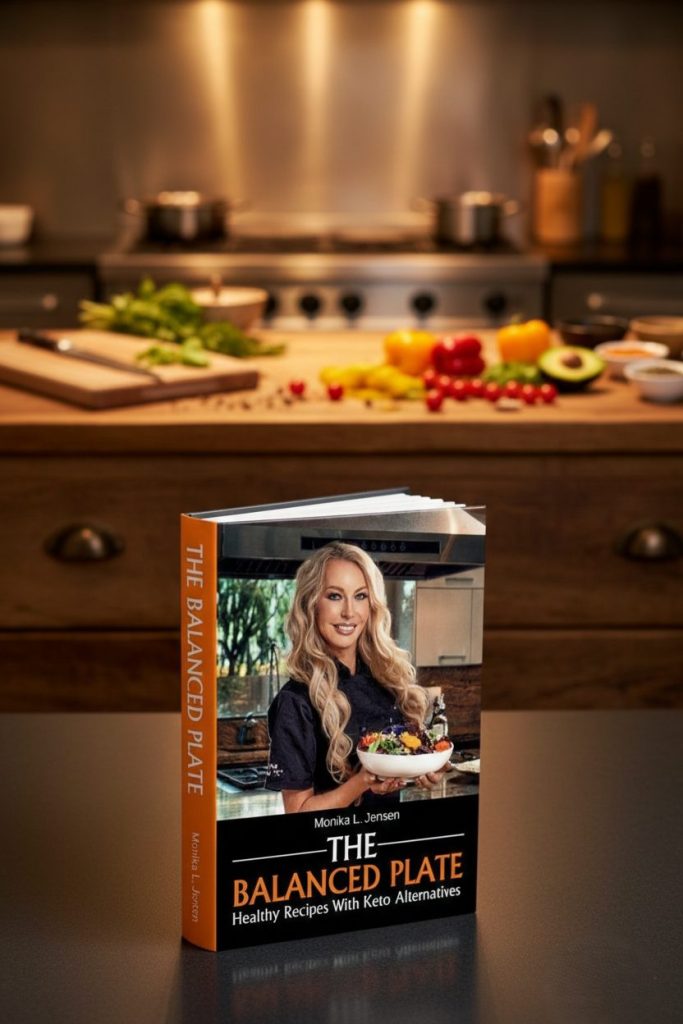
Chef Monika Jensen book The Balanced Plate: Healthy Recipes With Keto Alternatives takes an unusual approach to comfort food. The book doesn’t replace it; it works with it.
Comfort foods keep what makes them comforting. They are changed gently. The taste stays the same. The texture is essential. You can still tell which familiar ingredients are there.
If a lower-carb option is available, it’s offered quietly so that the dish doesn’t become something else entirely. If not, the recipe is fine on its own.
This method takes into account the emotional role of food. It understands that comfort is not a flaw to fix, but a need to meet.
Meals and how they make you feel
One of the first things we learn about caring for others is through food. Food comes before words. They carry messages that we can’t even say yet.
This is why some foods taste like home, even if the house has changed. No matter how many people have changed.
It can feel like a slight loss when those foods are called unhealthy or not allowed. Not just of taste, but of who you are.
Jensen’s cooking pays tribute to that link. The recipes don’t make you give up the foods you like. They want you to pay attention to them. To figure out what makes them enjoyable. To keep that essence even when changes are made.
This restraint often makes readers feel something. They talk about creating meals that remind them of their childhood, but they don’t want the heaviness anymore. About serving meals that are healthy and still feel like home.
That kind of balance is hard to find. And very important.
Comfort food in real kitchens
Comfort food is not a cheat meal in real life. This is Tuesday. It’s the meal you make when you’re tired, when someone is unwell, when the day took longer than planned.
This is where many health-focused cookbooks fall short. They only use comfort food on special occasions and make discipline the primary focus of their daily cooking.
The Balanced Plate turns that order upside down. Comfort is okay every day. Health is built into it rather than put on top.
Soups make you feel grounded. Sauces add warmth. The seasoning is put on in layers. Nothing feels like punishment.
This makes the book very helpful for families. Kids like familiar things. Adults like depth. Everyone feels like they belong.
The difference between denial and care is
Taking care of yourself is not the same as denying yourself. Denying something makes things tense. Taking care of someone makes things easier.
If you change how you think about comfort food, it stops being something you have to earn or explain. It becomes part of a lasting rhythm.
Readers say that The Balanced Plate is calming for this reason. There is no feeling of lack. No threat of failure hanging over you. Only food that works.
Reviews and early feedback often highlight how often these recipes are used, and how they become part of a routine rather than just being tried once. That repetition shows that you trust them.
You don’t need to hype up comfort food that fits your life. It quietly earns its place.
Keeping home on the plate
Home is not a set place. It’s a feeling. Food can carry across years, places, and changes.
You don’t have to give up that to eat healthy.
The Balanced Plate shows what it looks like to move forward. To change without erasing and taking care of the body while also taking care of the heart.
That balance is more important than ever, now that people are seeking stability in a world that moves quickly.
This book will help you if you’ve ever been torn between eating well and eating what feels like home.
You can now buy “The Balanced Plate: Healthy Recipes With Keto Alternatives” by Chef Monika Jensen on Amazon. It’s not about giving up comfort. It’s about keeping it on your plate without it being too complicated.