People are talking about food a lot these days. When someone asks what you eat, it seems like they’re waiting for you to choose a side. Keto or carbs. Low-carb or balanced. Clean or dirty. It looks like eating has become less about getting food and more about making a statement.
You can almost feel the tension if you wait. Like you’re breaking a rule that everyone knows about.
That tiredness, that constant need to pick a team, is real. And it’s one of the quiet reasons why so many people are tired of food culture in general.
Because most people know what food is, they are sick of having to defend it.
When eating became a team sport.
This is not how diet culture always looked. At some point, eating became a part of who you are. People’s eating habits, what they avoid, and what they consider right have all led to the formation of entire communities.
This makes sense at first glance. People like to fit in. Rules that everyone follows bring people together. But food stops being flexible when it becomes tribal. It stops responding to context. Instead, it starts asking for loyalty.
Carbs are no longer just carbs. They are a sign. Keto is more than just a tool. It is a badge. Eating clean becomes a moral choice. Going off course feels like betrayal.
People who think this way do well online. Algorithms like extremes. They like clear things, not complicated ones. Content that draws clear lines does better than content that allows for nuance.
Fatigue is the result. People switch from one method to another not because they lack discipline, but because each system eventually fails in real life.
The quiet cost of food tribalism
There is a hidden cost to picking sides in food culture. It limits what you let yourself enjoy. It makes you less curious. It makes meals seem heavy.
It also divides people at the table.
People in many homes don’t eat the same way. For medical reasons, one person may need to avoid carbs. Someone else might feel better if they eat more carbs. Kids eat what they want and how much they want, not what they believe.
When food is seen as a team sport, being different is a problem. Someone needs to give in. Someone feels like they are being judged. Someone stops eating with others altogether.
This is where the emotional cost shows up. Meals become harder. Cooking becomes a matter of politics. Food stops being something you all enjoy together and starts to feel like a deal you don’t want to make.
Not choosing a side
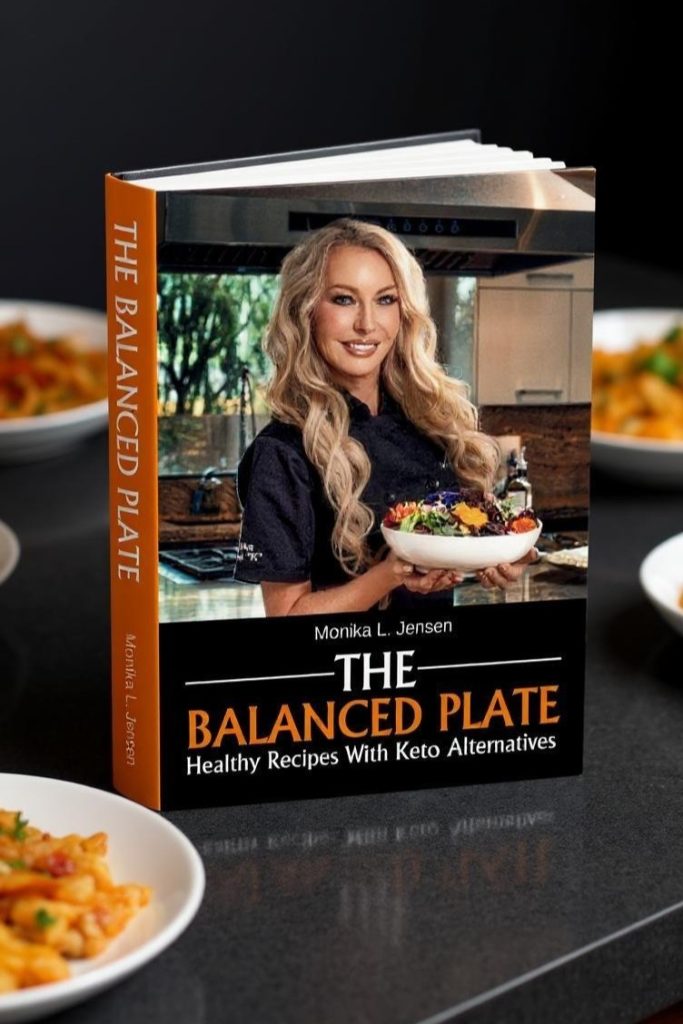
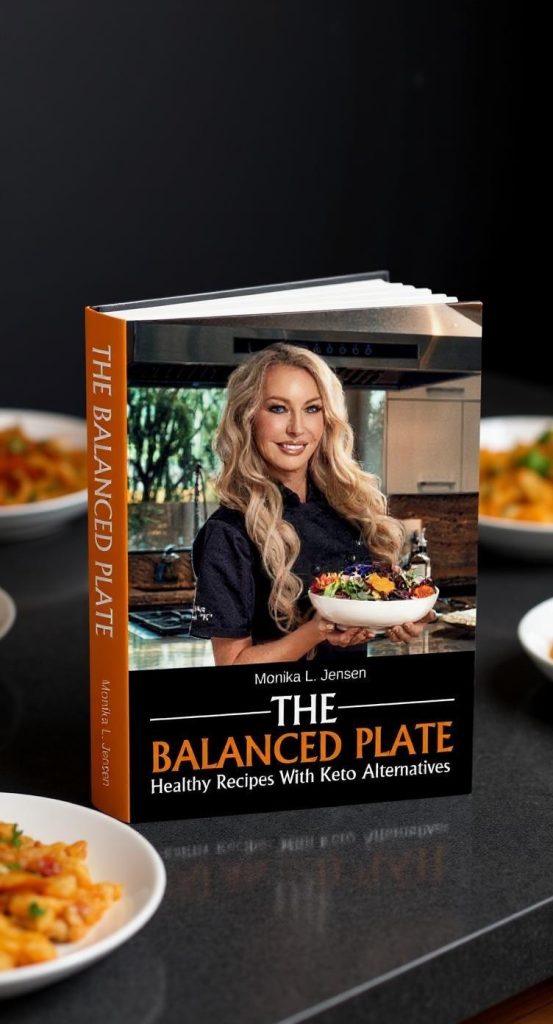
Chef Monika Jensen book “The Balanced Plate: Healthy Recipes With Keto Alternatives” quietly rejects this whole idea.
You don’t have to choose between carbs and keto. It doesn’t make one look better than the other. It sees keto as a choice, not a way of life.
The book’s recipes start with the whole dish. Respect is given to traditional ingredients. There are optional notes with keto alternatives that are easy to find and use when needed. There is no reason to think that one version is better than the other.
This design choice does something small but significant. You don’t have to say who you’re with anymore. You can make what works. Make changes quietly. Go on.
That might not sound very new. It is in the current food climate.
The relief of not having to explain yourself
Cooking without picking teams is suitable for your mental health, which is one of the most underrated benefits. It’s easier to enjoy food when it’s not a statement.
You don’t have to explain why you’re eating something. When your plate looks different from someone else’s, you don’t have to feel bad about it. You don’t have to explain your choices in a way that makes sense to other people.
Many people who read The Balanced Plate report feeling relief. The idea that cooking from the book makes the food quieter. Those meals are more peaceful because no one is keeping an eye on anyone else’s plate.
That calmness is not by chance. The book’s structure and tone make it clear. There is nutritional information, but it is not presented as a scorecard. The language does not make moral judgments. There is no need to hurry or be scared.
Food starts to work again. And fun.
Why extremes seem appealing (and why they don’t work)
Food teams are appealing for a reason. Extremes make things clear. They make things clear. They set rules for people to follow and create communities for people to be a part of.
But clarity that is based on rigidity is weak. It can’t change. When life changes, like getting sick, stressed, or having to follow a new schedule, the system gets stressed.
This is why so many people go on and off diets. Not because they don’t have willpower, but because strict systems can’t change.
The Balanced Plate is made to bend. It thinks change will happen. It lets meals change over time. It doesn’t punish people who go off course.
That flexibility is what keeps it going.
Food without loyalty
Just because you don’t choose sides when you cook doesn’t mean you don’t care about health. It means you stop making health a part of your identity.
You can care about your blood sugar and still eat bread. You can eat carbs without feeling bad about your health. You can use keto tools when they work and ignore them when they don’t.
This is not being unsure. It is the ability to tell the difference.
Chef Monika Jensen’s method is based on her own experience cooking for people with different needs. The goal was not to be ideologically pure. It was to give everyone a good meal.
That goal sets the tone for the book. It’s quiet. Useful. Grounded. It doesn’t have to convince you. It simply works.
Trust instead of tribalism
Trusting the reader is one of the most radical things The Balanced Plate does. It doesn’t think you need to be managed. It doesn’t make choice seem like a bad thing.
That trust affects how people think about food. Instead of asking which team they are on, readers want to know what works today.
That question is more complicated. It needs you to be there. It also leads to better results.
Allowing food to be food again
Something opens up when you stop being tribal about food. Curiosity comes back. Taste is important again. Meals are more about connecting than following rules.
You stop cooking to prove a point and start cooking to feed yourself.
The Balanced Plate makes that change without any fuss. It doesn’t ask for loyalty. It doesn’t make you give up anything you love. It just makes room.
This book lets you step out of the game if you’re sick of picking sides.
You can now get “The Balanced Plate: Healthy Recipes With Keto Alternatives” by Chef Monika Jensen on Amazon. It offers a quieter, more human way forward for anyone ready to cook without teams, labels, or loyalty tests.