There was a time when it was easy to answer the question, “What do you eat?” You ate. You might have had preferences. You might have stayed away from some things. But it didn’t need a warning or a vocabulary lesson.
That same question can now feel like a trap.
Keto. Clear. All of it. Not many carbs. A lot of protein. Stops inflammation. Made from plants. In balance. The list keeps getting longer, but somehow it doesn’t make eating any easier. It has made people more tired, if anything.
Not because they don’t care about their health. But because of all the labels, food has become something you have to explain all the time.
When labels don’t work anymore
At first, labels are helpful. They make it easier to get around. They help people get the information they need. They give you a place to start.
The issue arises when labels transform into identities.
Food choices are no longer based on the situation. They are statements that will last forever. You should eat that way all the time. It feels like failure to deviate. It becomes normal to explain yourself.
Online, this pressure is even worse because food labels are also content categories—algorithms like things that stay the same. People come together in groups when they have something in common. Nuance doesn’t work well.
The result is burnout.
People feel stuck by labels that once helped them. They switch up their methods. When the system stops working, they blame themselves. They think they are always messing up food.
The tiredness of being put into a box
Food labels do more than just group foods. They put people into groups.
When you identify with a label, you have to meet certain expectations. Friends say things. The family asks questions. People check the plates. People pay attention to choices.
This causes a low level of stress that never really goes away for many people. Eating is now public, even in private places.
This is especially tiring when you live with other people. One person’s label becomes the burden of the whole family. It gets hard to make meals. Conversations get heavy. Food is no longer neutral.
Many people respond by tightening their grip. The label gets stricter. The rules become clearer. But this often makes tiredness worse, not better.
Picking gut feeling over identity
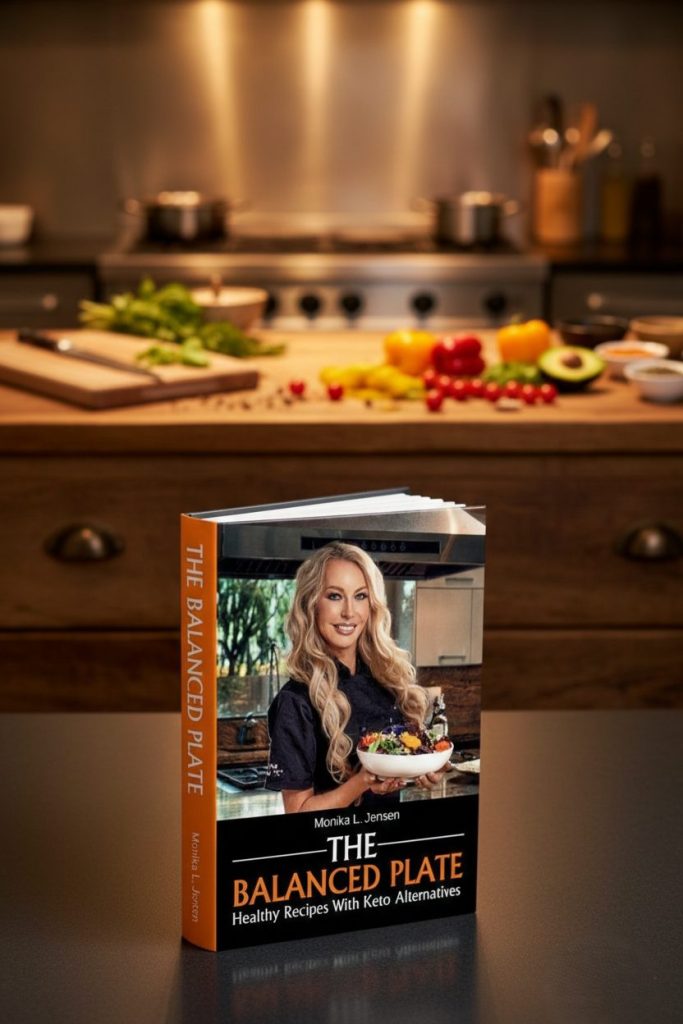
The Balanced Plate: Healthy Recipes With Keto Alternatives by Chef Monika Jensen is a book that offers an alternative to eating based on labels without completely giving up structure.
The book says that keto is a tool, not a way of life. It values both traditional foods and new ones. Recipes are written so that they can be used on their own, with optional changes that are not clearly stated.
This method brings intuition back into the kitchen.
Instead of saying, “What label does this fit?” The question is now “What works here?” For this person. Right now. This food.
That change makes it easier for the brain to work. It eliminates the need to explain. It makes eating responsive again.
People often say that this is a relief. Not because the book tells them what to do, but because it stops telling them who they are.
Intuition is not disorder.
People often think that intuitive eating is dangerous, which is not true. That everything will fall apart without rules or labels.
Intuition is actually based on information. It uses what it knows. It listens to signals.
The difference is that intuition changes. It doesn’t need people to be loyal to a system. It lets you change without feeling bad about it.
The Balanced Plate backs up this kind of gut feeling by giving information without making you do anything. There are nutritional facts. There is an explanation of keto alternatives. But the reader is still in charge.
That balance is what makes the book useful for a long time. It doesn’t fall apart when things change.
Why labels stay with us even when they don’t help us anymore
Labels are sticky because they make it easier to talk to other people. It’s easier to say “I eat keto” than to explain how you feel about food.
But there is a price to pay for simplicity. When labels no longer match reality, they become limits.
People often keep using labels long after they no longer fit because it’s hard to let go. People are afraid to step into the unknown.
This is where Jensen’s method seems to be quietly helpful. You don’t have to give up labels if you read the book. It just doesn’t put them in the middle.
You can take what you need and leave the rest.
Cooking without the talk
One of the best things about not having food labels is that they make things quiet. Fewer comments. Less talking. Less arguing with yourself.
The story doesn’t matter when you’re cooking.
People who read The Balanced Plate often say that this makes their kitchens feel different. Food feels more peaceful. Changes happen without any notice. No one feels like they’re being watched.
That calmness isn’t by chance. It was made that way.
Making food flexible again
Food labels suggest that it will last. Intuition makes evolution possible.
One week, a meal might work, but the next week it might not. Change is needed. Different bodies react in various ways. Intuition allows for that movement.
The Balanced Plate accepts this change. It doesn’t think that any one approach is the best. It has choices that can change depending on the situation.
People don’t get burned out because they have this freedom.
Getting over burnout
Caring about your health does not lead to burnout. It happens when you follow too many rules for too long.
People tend to make better choices when they feel lighter mentally and emotionally. They pay more attention. They don’t like extremes.
This is not because they stopped caring. It is because they stopped fighting.
The Balanced Plate does not claim to be against labels. It just shows what happens when labels stop controlling the meal.
This book gives people who are tired of explaining, defending, or living up to a food identity a quieter way to move forward.
You can now buy Chef Monika Jensen’s book, “The Balanced Plate: Healthy Recipes With Keto Alternatives,” on Amazon. It doesn’t make you pick a label. It lets you choose what works.